![[personal profile]](https://www.dreamwidth.org/img/silk/identity/user.png) bukvoed
bukvoed
Западногалилейский городок Шломи был основан в 1950-м и назван в честь некоего Шломи из колена Ашера, упомянутого в Бамидбар 34:27: "И по одному князю от колена возьмите для раздела земли. И вот имена этих мужей... для колена сынов Ашейра князь Ахиуд, сын Шеломи".
До войны за независимость на месте будущего городка находилась арабская деревня Баса, возможно произошедшая от упомянутого в Талмуде селения Бецет. Арабский летописец Абу Шама сообщает, что в 1189-м локация под названием Айн-Баса послужила местом сбора армии крестоносцев; в соглашении от 1283-го года Баса упоминается на втором (сразу после Акко) месте в списке немногочисленных населённых пунктов, которые мамлюки пока оставляли франкам. По османскому дафтару 1596-го года Баса была мусульманской деревней в тибнинской нахии цфатского санджака, с населением 76 семей и 28 холостяков; местные выращивали пшеницу, ячмень, маслины и хлопок, разводили коз и пчёл, и платили налог в 7000 акче. Около 1770-го объект стал центром собственной нахии. В 1799-м упоминается в наполеоновской корреспонденции как шиитская деревня на 600 душ. В 1851-м ван де Вельде гостил у местного шейха по имени Юсуф; жителей он отнёс уже к греческой церкви, за исключением небольшого количества мусульман. В 1863-м здесь побывал Тристрам, охарактеризовал как христианскую деревню с 1200 жителей, описал местных птиц, дома, женщин, визиты к шейхам итд, а также сходил отсюда в поход к замку Калат аль-Курн (ака Монфор). Вот, например, что он сообщает о здешних домах (надо бы перевести, но лень):
The houses, excepting the very poorest, seem all alike. Each has a courtyard, with a high wall, for the goats, camels, firewood, and bees. At the end of the yard stands the mud-built house, with a single door opening into its one room. A pillar and two arches run across it, and support the flat roof. The door opens into the stable portion, of which I have spoken before, where horses and camels are standing before the manger of dried mud. Stepping up from this, the visitor finds himself at once in the simple dwelling-room of the family. A large matting of flattened rush generally covers one half, and a few cushions are spread in the corner, near the unglazed window. At the further end are the mud stairs leading up to the roof, the summer bedchamber of the family. Furniture there is none, except the few cooking utensils hanging on wooden pegs, a hole in the centre of the floor for holding the fire, with a few loose iron rods across the top, and the quaint wooden cradles of the babies, apparently hereditary heirlooms. In the better houses; there is a mat screen across the platform, behind which sleep the single women and girls. There is an interesting illustration of the observance of the Feast of Tabernacles in the village architecture here. On the top of every house is a wattled booth of oleander boughs, sometimes of two stories, with a wicker-work floor, in which the inhabitants sleep during the hot weather, and thus continue to observe the Jewish feast. The tough and tenacious leaves of the oleander never shrivel or fall off, and form an effectual shade for many weeks.
И о женщинах; в особенности об их головных уборах, украшенных золотыми и серебряными монетами:
The women were far more determined in their curiosity than either the men or the boys, though none of them ventured, without leave, to peep inside, even after they had seen us indignantly chide one of our lads for ungallantly threatening them with the stick. They were pleasant-looking, some of them even pretty, and had not the degraded and abject look of the Bedouin women. Their dress was unlike any costume we had yet seen; consisting of rather tight blue cotton trousers tied at the ankle, slippers without stockings, a chemise of cotton, blue or white, rather open in front, and over this a long dress, like a cassock, open in front, with a girdle and short sleeves. This robe was plain, patched, or embroidered in most fantastic and grotesque shapes, the triumph of El Bussah milliners being evidently to bring together in, contrast as many colours as possible. The headdress, no doubt in strict accordance with the Syrian "Magasin des Modes," baffles my powers of description, but is very interesting, as probably identical with that of the women of Galilee of old. Such may Mary have worn, as she daily went to the well of Nazareth. It is called the semadi, and consists of a cloth skull-cap, with a flap behind, all covered with coins — silver, but sometimes gold, and a fringe of coins suspended from it on the forehead. Round the face, from chin to crown, are two stout pads, by way of bonnet-cap, fastened together at the top. But outside of these pads are attached a string of silver coins, not lengthwise, but solidly piled one on another, and hammered severally into a saucer-shape, with a hole drilled through the middle. They usually commence with some half-dozen Spanish dollars at the chin, gradually tapering up to small Turkish silver pieces of the size of sixpences at the forehead. The weight is no trifle, and one little girl, whose head-gear was handed to me for examination in return for a present of needles, had 30l. worth of silver round her cheeks. Many had frontlets of gold coins, and I saw one centre-piece on the forehead of a sheikh's wife consisting of a Turkish 5l. gold piece. All the young ladies thus carry their fortunes on their heads; and this jewelry is the peculium of the wife, and cannot be touched by her husband.
Далее Кондер написал про каменные дома, 800 христиан и 250 мусульман; а Шумахер (прим. 1887) про 1960 жителей, в основном греко-католики (мелькиты), остальные мусульмане; британская перепись 1922-го года обнаружила 867 христиан (721 греко-католик, 120 православных, 17 англикан, 8 армян-католиков и 1 просто католик), 150 мусульман и одного иудея; перепись 1931-го года 1076 христиан, 868 мусульман и 4 бахаев. Во время арабского восстания 1936-9 годов, 6 сентября 1938-го, где-то в этих краях наехал на мину британский броневик; погибли 4 солдата из Royal Ulster Rifles. В отместку британские солдаты подпалили деревню, посадили порядка 50 жителей в автобус и вынудили наехать на мину и так далее, в итоге примерно 20 убитых. В 1945-м переписчики насчитали уже 1590 христиан и 1360 мусульман. Наконец, 14 мая 1948-го года в ходе операции Бен-Ами Хагана выбила из деревни местную милицию; по Моррису, часть жителей к тому времени уже бежала в Ливан; после захвата остававшиеся тоже бежали или были изгнаны; в итоге 95% оказались в Ливане, а остальные осели в других населённых пунктах на территории Израиля.
В наши дни несколько деревенских строений можно обнаружить в промзоне Шломи, причём по странному стечению обстоятельств улицу назвали "улицей основателей" (а-меясдим).
Согласно статье на сайте Зохрот, дом на фотографиях ниже принадлежал темплерам, служил школой и протестантской церковью (хм, это плохо сочетается с темплерами), а также жильём для женщин, обеспечивавших функционирование данных учреждений; и в результате был известен как "дом немецких госпож" (байт аль-ситтат аль-альман).
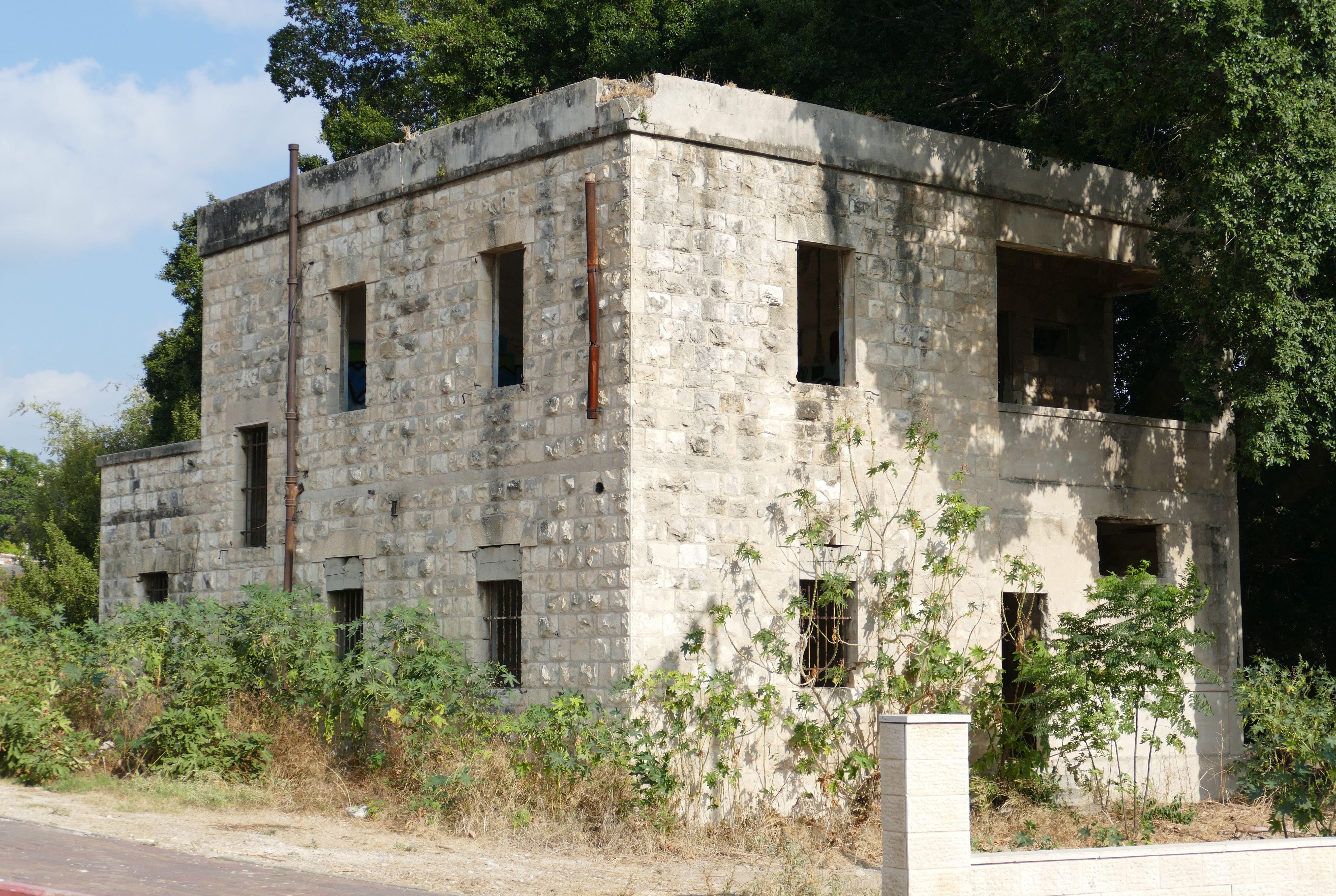


Первый этаж:


Второй этаж:


Греческая православная церковь. Судя по статье за 2014-й и другой за 2017-й, в те годы там иногда проводили свадьбы и крестили детей. В данный момент церковь на замке.

Надпись над дверью. Судя по последней строчке, церковь была построена в 1898-м.


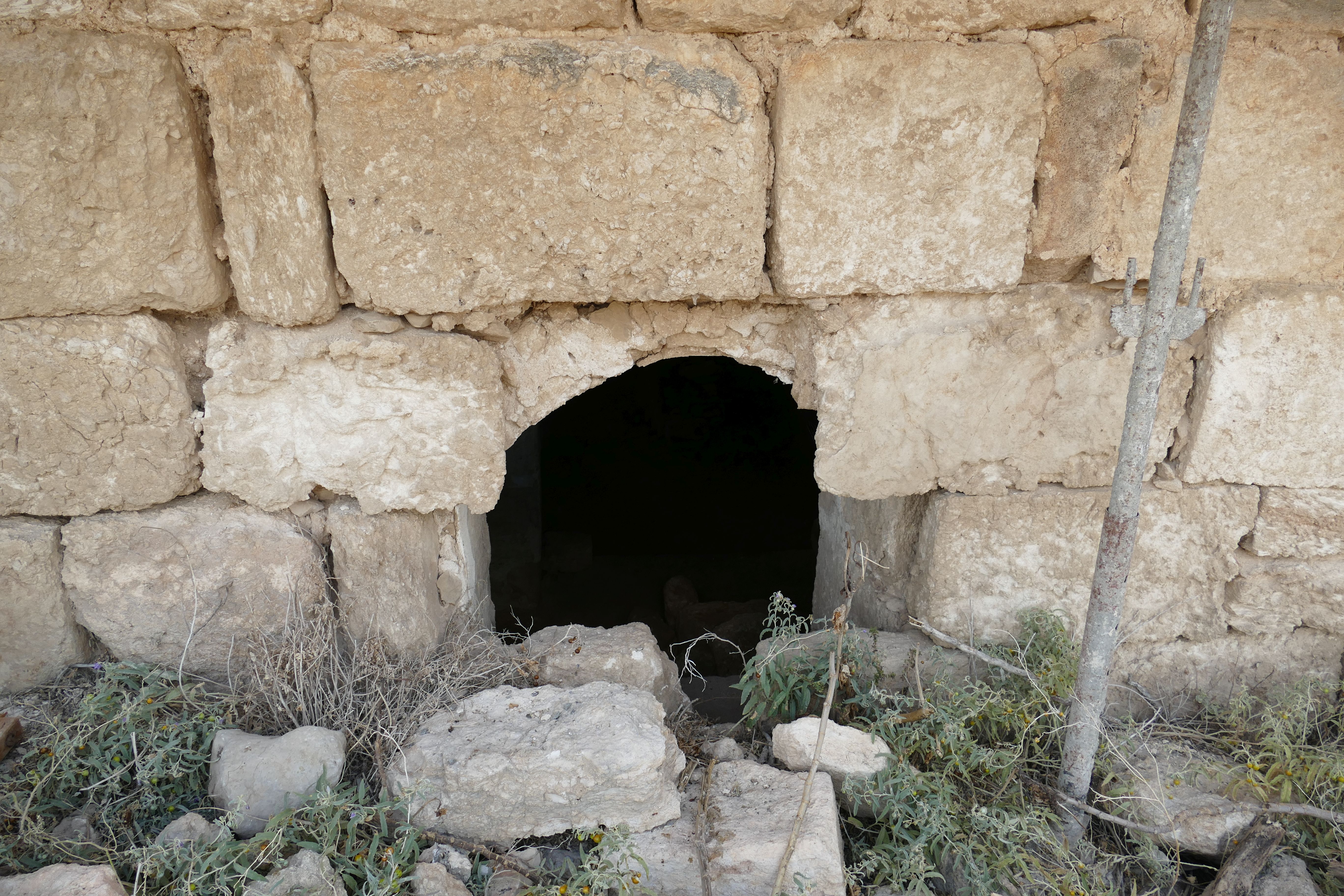
Похоже, что некоторые посетители попадают в здание не через дверь:

К северу от церкви до недавнего времени стоял двухэтажный дом, некогда принадлежавший семье Хури; но в августе 2023-го он рухнул в процессе выполнения неких работ для муниципалитета...
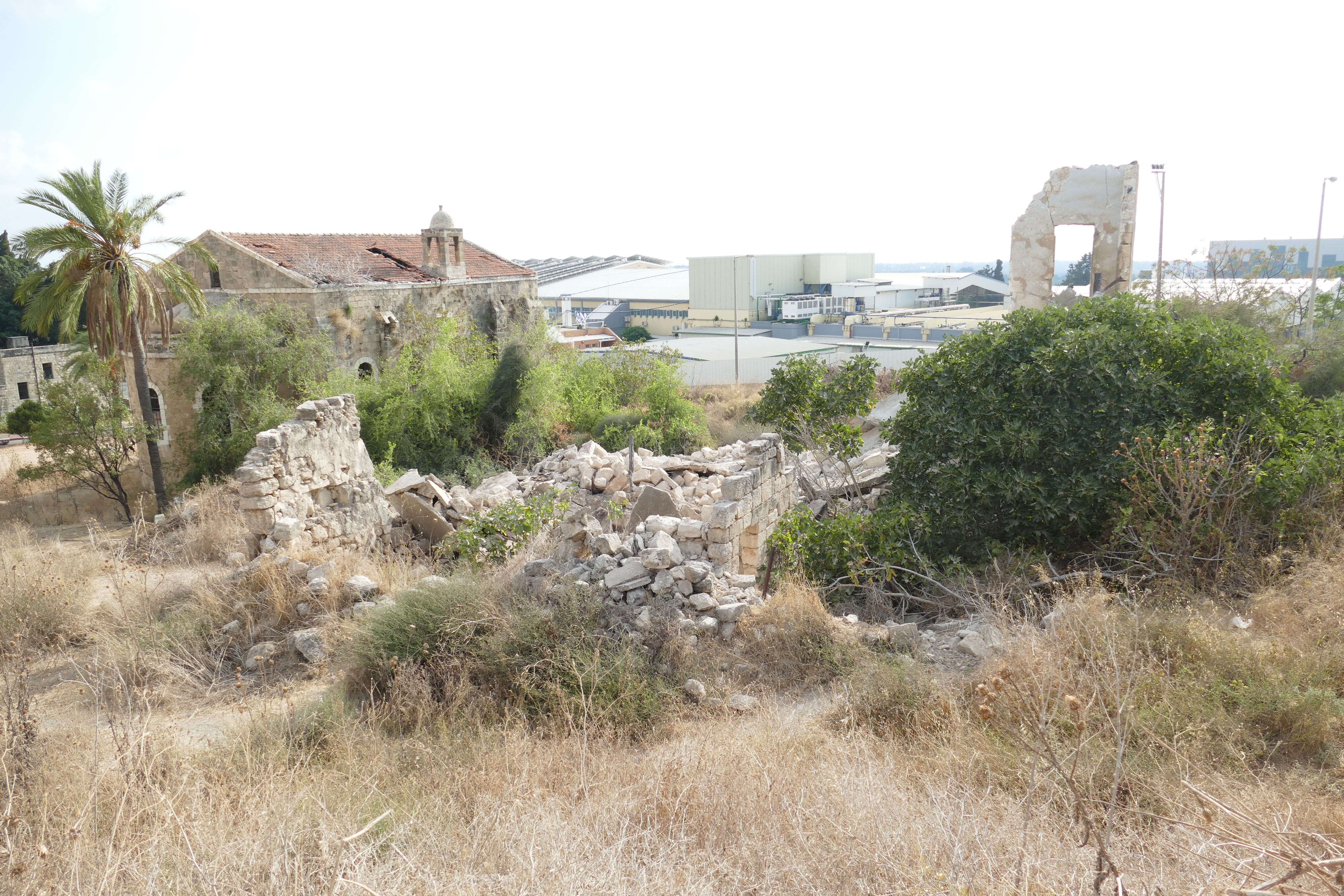


Мавзолей-макам, посвящённый аль-Хидру (о последнем см. старый пост):
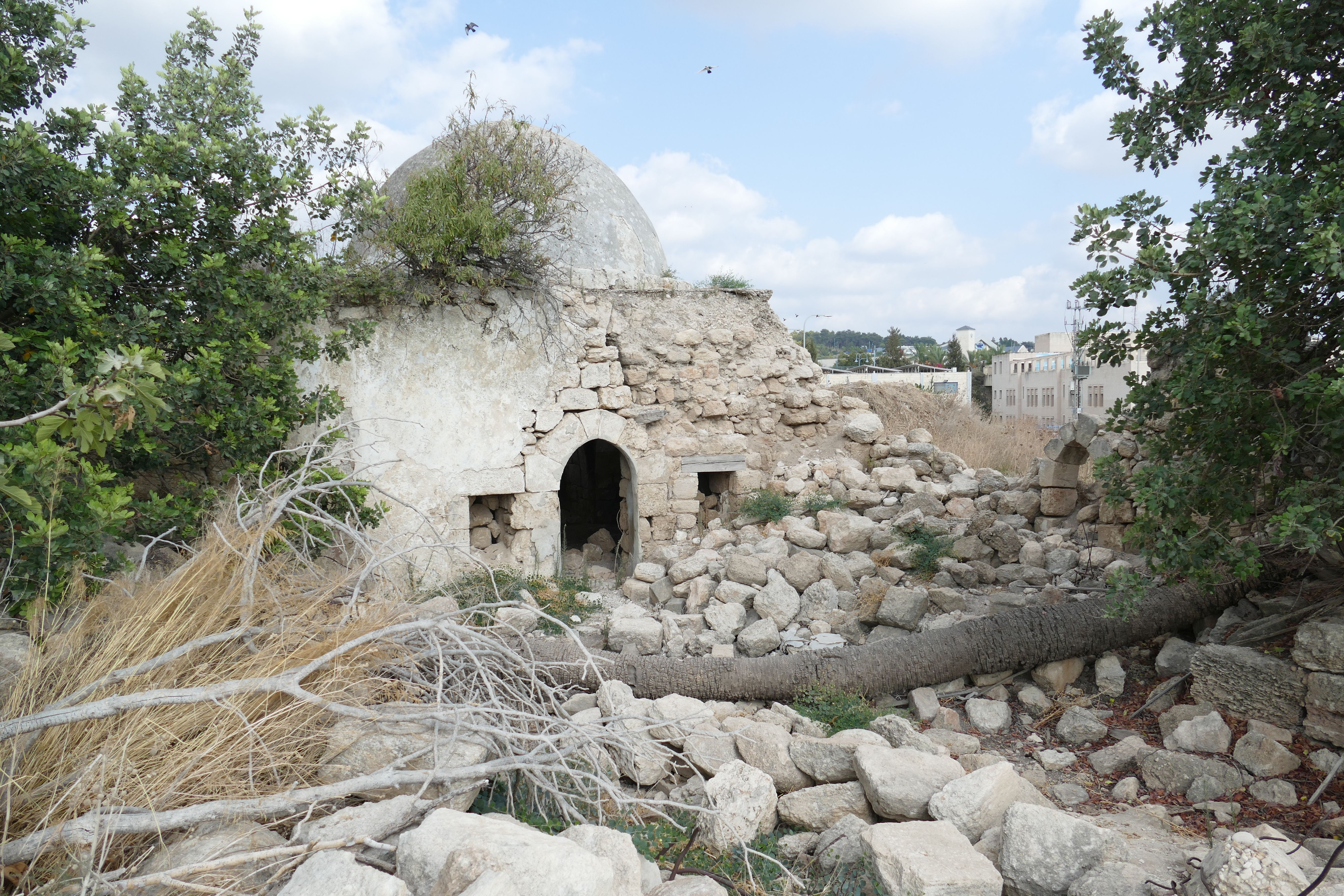


По западную сторону улицы - мечеть. Согласно Петерсену, в 1990-е здание служило загоном для овец. Теперь оно отремонтировано и заперто.
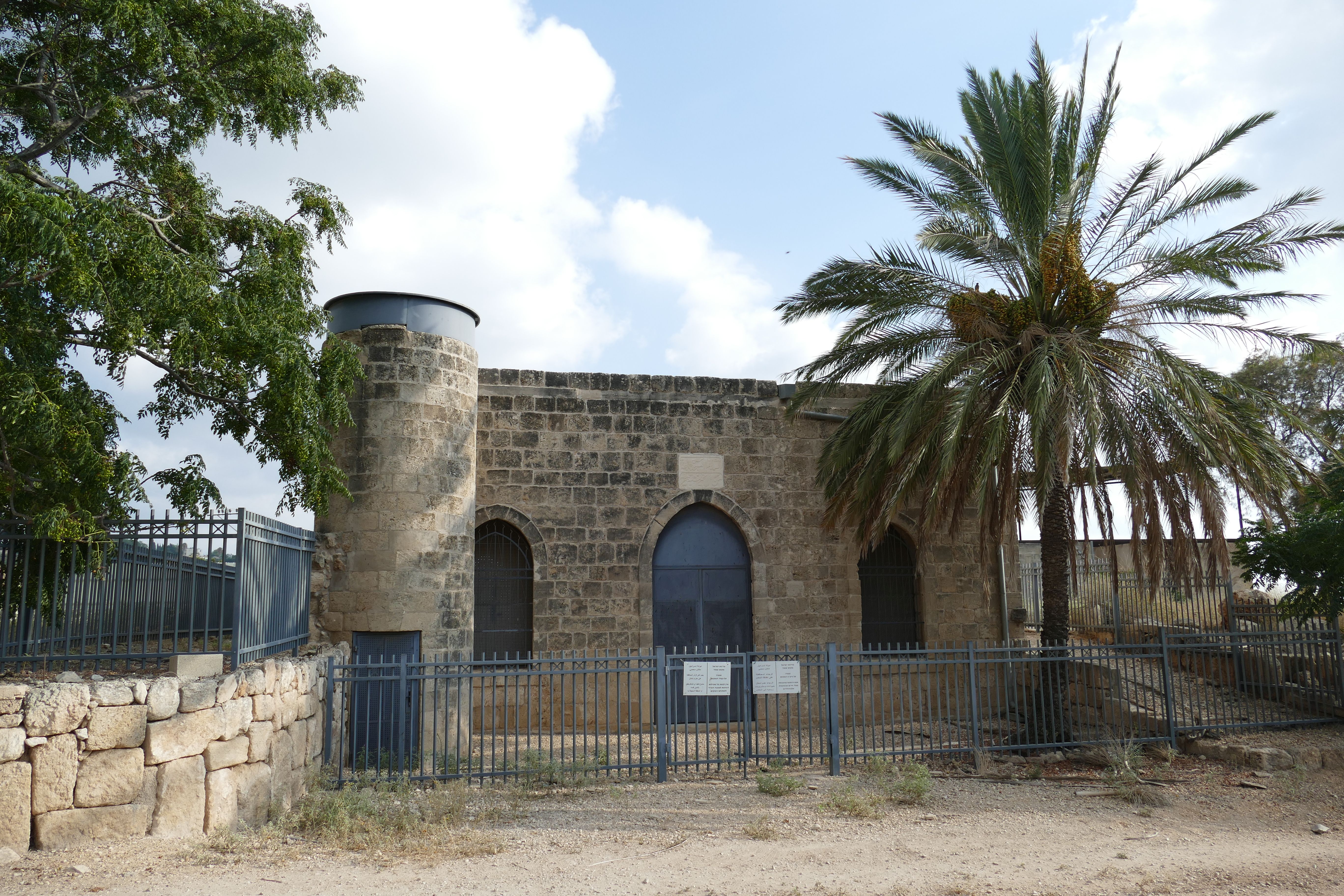

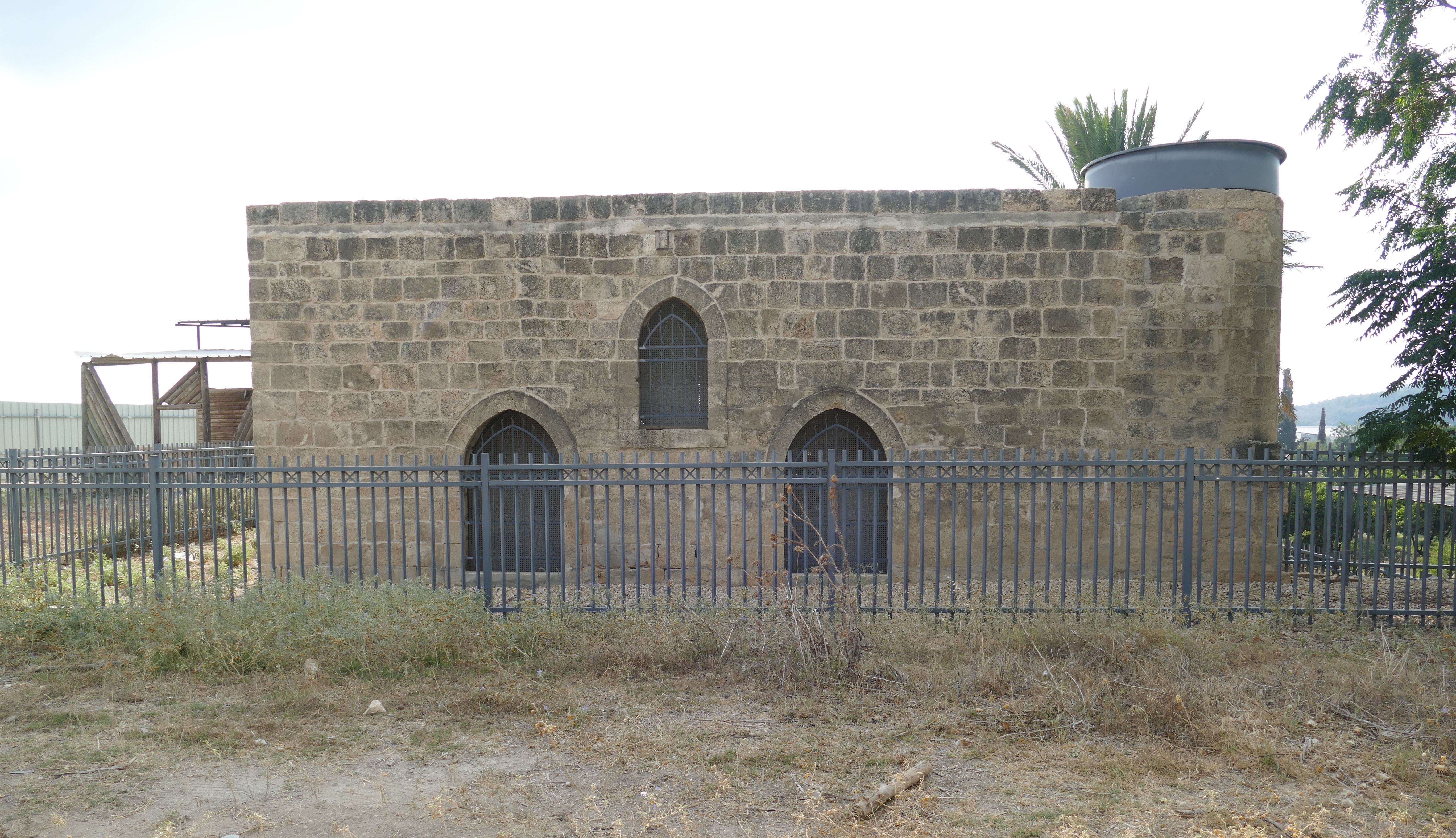


Мелькитская (?) церковь:


Дверь на замке и некоторые окна частично заложены камнями:

Но не все:
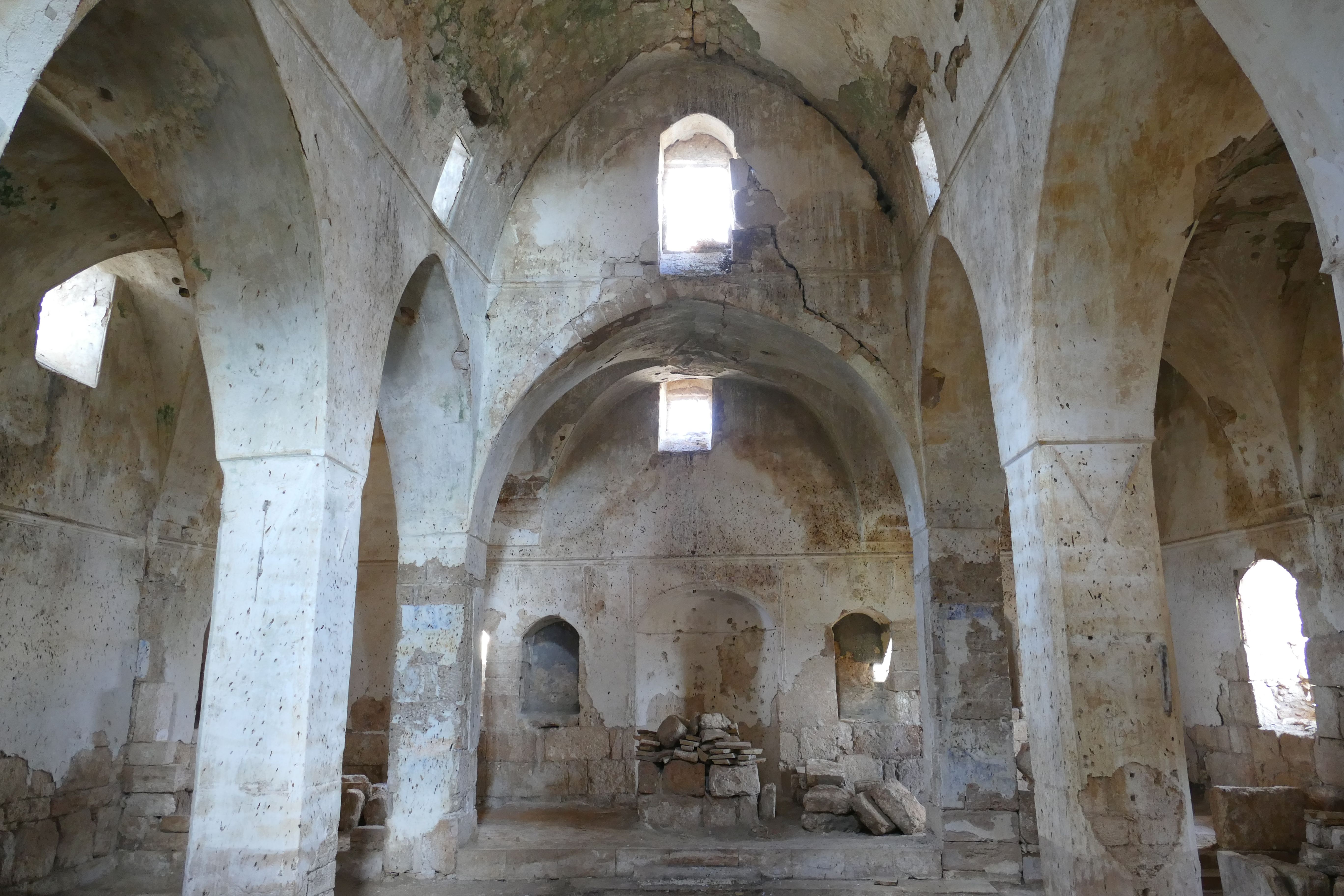
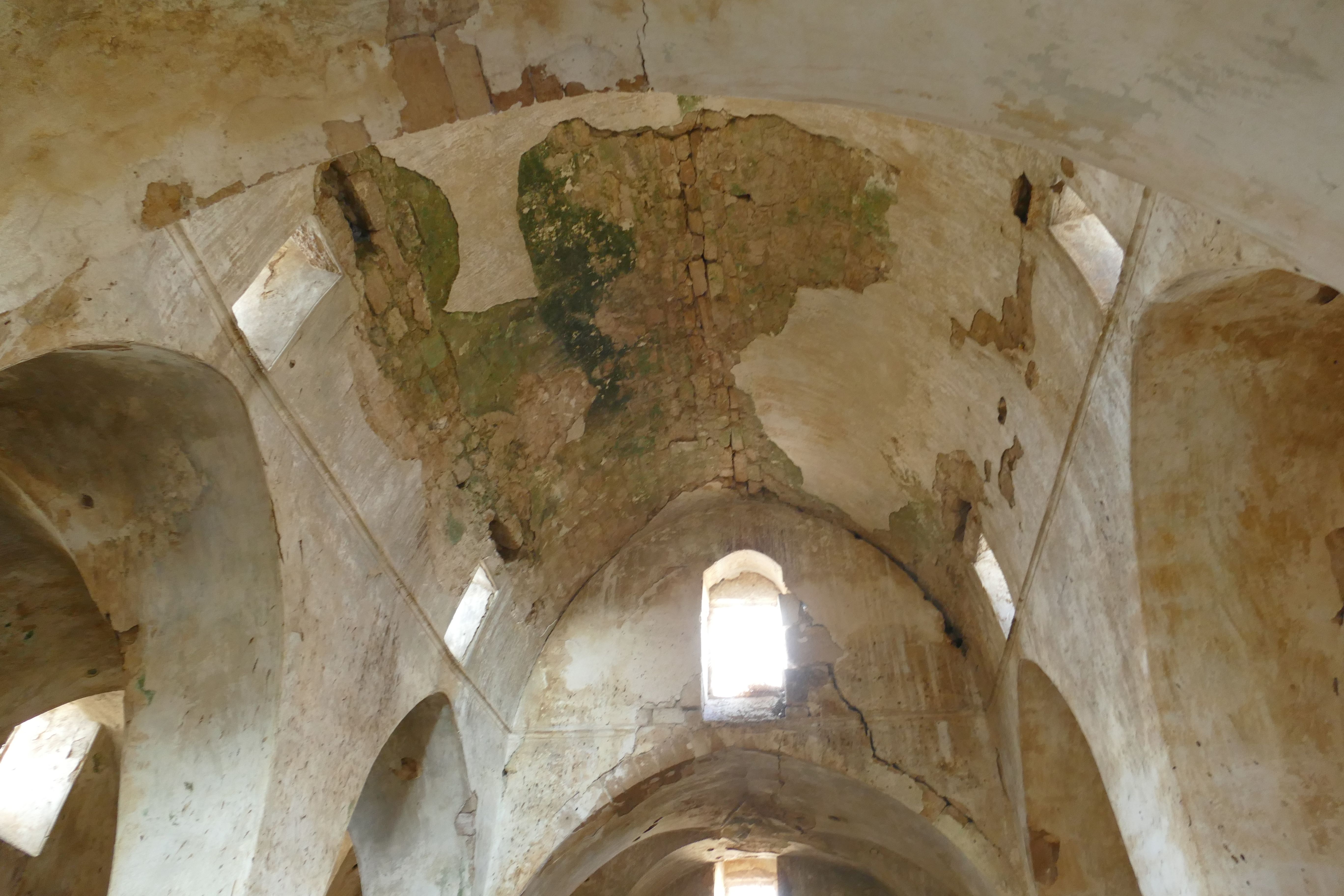
Внутри:


Баса на аэрофотоснимке, без даты:

(Архив Яд Бен-Цви)
Бывшая Баса в 1950-м:

(wiki)
Фотографии: в wikimedia commons
ГугльМэп местности.
Ссылки:
A Gazetteer of Buildings in Muslim Palestine (Part 1) By Andrew Petersen
Recueil des historiens des croisades: Historiens orientaux (Tome IV)
Early Mamluk Diplomacy, 1260-1290: Treaties of Baybars and Qalāwūn with Christian Rulers edited by Peter Malcolm Holt
Correspondance inédite officielle et confidentielle avec les cours étrangères, les princes, les ministres et les généraux français et étrangers en Italie, en Allemagne et en Egypte
Narrative of a journey through Syria and Palestine in 1851 and 1852 By Carel Willem M. van de Velde
The Land of Israel: a journal of travels in Palestine undertaken with special reference to its physical character By Henry Baker Tristram p 65-73,p 84-86
The survey of western Palestine (Volume 1) By C.R. Conder et al p 145,p 167
Population list in the Liva of Akka By G. Schumacher (Quarterly statement for 1887 - Palestine Exploration Fund)


_in_1950_after_its_depopulation,_and_subsequent_repopulation_with_Israeli_immigrants.jpg)